In today's world, home security is no longer a luxury—it’s a necessity. For those who prefer flexibility and cost-effectiveness, DIY home security systems are a game-changer. Whether you live in an apartment or a spacious house, building your own system allows you to tailor it to your specific needs. But where do you start? Let’s break down the essential components of a DIY home security system and how to choose the right configuration for your home.
The control hub, or main panel, acts as the nerve center of your security system. It connects and manages all other components, often through WiFi, Z-Wave, or Zigbee.
Choose a control hub that is user-friendly and expandable, so you can add more devices as needed.
Cameras are your first line of defense. They monitor activity around your home and can deter potential intruders.
Opt for cameras with cloud storage or local SD card options for secure video recording.
 |
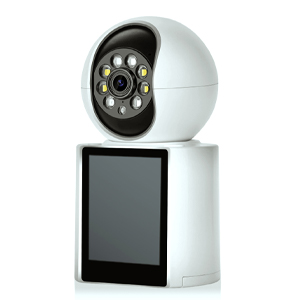
Boost home security with our 5MP Dual Lens WiFi Cam. 2.4GHz Smart Pet Security, wireless nanny cam, auto-recorded door camera, continuous video, 2-way sound—your all-in-one solution for peace of mind. SHOP NOW >> |
Door and window sensors are small but mighty components. They alert you whenever an entry point is opened without authorization.
These sensors typically consist of two parts: one attached to the door or window and the other to the frame. When the magnetic connection between them breaks, the sensor triggers an alert.
Install sensors on all ground-floor entry points for maximum coverage.
An alarm or siren is a critical deterrent in your security system. When triggered, it emits a loud noise to scare off intruders and alert nearby individuals.
Place your alarm near the main entry point to maximize its impact.
Motion detectors add another layer of protection by monitoring movement within your home. They’re ideal for large areas such as living rooms or hallways.
A reliable security system should remain operational during power outages.
Look for systems with low-battery notifications to stay ahead of maintenance needs.
DIY systems can range from budget-friendly options to premium configurations. Decide which features are essential and which you can add later.
For added convenience, integrate your security system with existing smart devices for automation and voice control.
Building a DIY home security system might seem daunting at first, but with the right components, it’s easier than you think. Start with a control hub, add cameras for surveillance, and secure entry points with sensors. From there, you can expand your system with alarms, motion detectors, and other advanced features.
Copyright © 2023 INSEETECH LIMITED. All Rights Reserved.