
Alzheimer’s disease affects a patient’s memory and cognitive abilities and presents daily challenges for their family members. Patients may face risks such as wandering, falling, or mishandling household appliances as the disease progresses. How can we create a home that is both safe and comfortable for them? Here are some practical tips to help you protect your loved ones while preserving their dignity.
Alzheimer’s disease is the most common form of dementia, a general term for a decline in cognitive ability severe enough to interfere with daily life. It is estimated that approximately 5.8 million Americans aged 65 and older are living with Alzheimer’s disease, according to the Alzheimer's Association. Worldwide, over 50 million people suffer from dementia, with the number expected to rise significantly in the coming decades.
Facts about Alzheimer’s and Dementia:
Age and Genetics: The biggest risk factor for Alzheimer’s disease is age. About 1 in 10 people over the age of 65 have Alzheimer's, and the risk doubles every five years after age 65.
Cognitive Decline: The disease primarily affects memory, thinking, and behavior. It is a progressive disease, meaning symptoms worsen over time.
Impact on Families: Family members and caregivers play a crucial role, often experiencing significant emotional, physical, and financial stress.
Understanding these facts emphasizes the importance of creating a supportive environment for patients, where both safety and emotional well-being are prioritized.
Preventing Slips and Falls: Place non-slip mats in bathrooms and on staircases, install handrails, and ensure adequate lighting throughout the house to prevent falls in dimly lit areas.
Decluttering the Space: Minimize unnecessary furniture and decorations to maintain clear pathways, reducing the risk of tripping or collisions.
Kitchen Safety: Use induction cooktops with automatic shut-off features to prevent fire hazards. Store knives and potentially dangerous items in locked drawers.
Monitoring and Alarm Systems: Install smart cameras or door and window sensors to monitor the patient’s movements in real-time and alert family members in case of unusual activity, such as nighttime wandering.
GPS Tracking Devices: Equip patients with waterproof GPS wristbands or pendants to help locate them quickly if they wander away from home.
Voice Assistants: Set up voice reminders for medication schedules and daily activities to support memory retention and routine adherence.
 |
5MP Dual Lens Indoor Security Camera【2MP+2MP Dual Lens Security Camera with Pan & Tilt】 Capture every angle with the 5MP dual-lens design. The upper lens offers 355° pan and 90° tilt for complete coverage, while the fixed lower lens provides additional monitoring. |
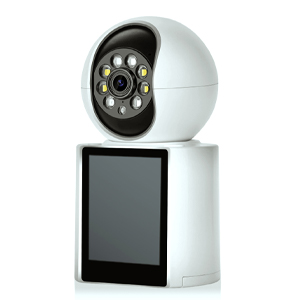 |
2K Two-Way Audio & Video Calling Indoor Camera 【Voice-Activated Controls & Instant Calling】 This two-way video camera features voice-activated controls and instant calling functionality, ensuring a seamless and hands-free experience. Users can easily initiate video or voice calls using simple voice commands, ideal for situations when multitasking is necessary. Whether keeping an eye on pets or checking in on elderly relatives, this capability significantly improves user convenience and operational efficiency |
Alzheimer’s patients find comfort in familiarity and consistency. Family members can:
Create a Clear Schedule: Use simple text or picture labels to outline daily activities such as meals, walks, and rest periods.
Label Common Items: Attach labels to drawers and cabinets (e.g., “Cutlery,” “Clothing”) to reduce confusion and anxiety.
While safety measures are essential, addressing the emotional needs of Alzheimer’s patients is just as important:
Communicating with Patience: Use a calm and reassuring tone, avoid correcting or arguing, and respect their feelings.
Preserving Familiar Belongings: Keeping cherished items like photos, souvenirs, or favorite music can evoke happy memories and provide emotional comfort.
Alzheimer’s may steal memories, but love and care build the strongest shield of protection. By using scientific approaches and providing compassionate companionship, we can enhance the quality of life for patients and bring warmth and security to their world.
Tip: If you have caregiving experience or questions, feel free to share in the comments. Let’s work together to create a better environment for our loved ones!
Copyright © 2023 INSEETECH LIMITED. All Rights Reserved.