As energy costs rise and environmental concerns grow, many homeowners and businesses are debating between solar energy and traditional grid electricity. Both options have advantages and drawbacks, but which is better? In this article, we’ll break down the key differences, costs, and long-term benefits to help you decide.
🌞 Renewable & Eco-Friendly – Harnesses sunlight, a clean and inexhaustible energy source.
💰 Long-Term Savings—Drastically cuts or eliminates monthly electricity bills after the payback period.
🌍 Reduces Carbon Footprint—Zero emissions, making it a sustainable choice.
🏡 Energy Independence—Less reliance on utility companies and protection against price hikes.
📉 Government Rebates & Incentives – Tax credits and net metering can lower installation costs.
⚠ High Initial Cost – Purchasing and installing solar panels requires a significant upfront investment.
☁ Weather Dependency—Efficiency drops on cloudy days, requiring battery storage or a grid backup.
🏠 Space Constraints – Rooftop systems need sufficient unshaded space.
⏳ Longer Payback Period – Typically takes 5-10 years to break even on costs.
⚡ Instant & Reliable Power – Available 24/7, regardless of weather conditions.
💵 No Upfront Costs—Pay-as-you-go model with no installation fees.
🏙 Wide Availability—Accessible in most urban and suburban areas.
📈 Rising Energy Bills – Prices fluctuate and tend to increase over time.
🛢 Environmental Harm – Mostly generated from fossil fuels, contributing to pollution.
🔌 Vulnerable to Outages – Grid failures can leave you without power during storms or high demand.
| Factor | Solar Energy | Traditional Electricity |
|---|---|---|
| Upfront Cost | High (installation + equipment) | None (only usage charges) |
| Ongoing Expenses | Minimal (after payback period) | Continuous (monthly bills) |
| Maintenance | Low (occasional cleaning & checks) | Handled by utility provider |
| Lifespan | 25-30 years | N/A (ongoing service) |
🔹 Solar is cost-effective in the long run but requires a big initial commitment.
🔹 Grid power is convenient but leads to lifelong expenses with no ownership benefits.
✔ You want long-term savings on energy bills.
✔ You live in a sunny region with good solar incentives.
✔ You prioritize sustainability and energy independence.
✔ You can’t afford the initial solar investment.
✔ Your location has frequent cloudy weather or restrictive regulations.
✔ You prefer immediate convenience over long-term savings.
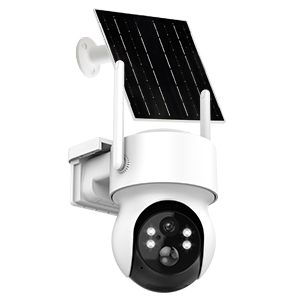 |
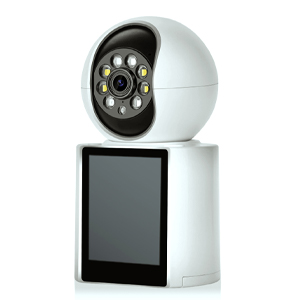
2K Solar Security Camera Wireless Qutdoor
|
If you’re looking for lower bills, eco-friendliness, and energy security, solar is the superior choice in the long run. However, if budget or location constraints are an issue, sticking with the grid may be more practical—at least for now.
Would you switch to solar? Share your thoughts below! ⚡☀️
Copyright © 2023 INSEETECH LIMITED. All Rights Reserved.