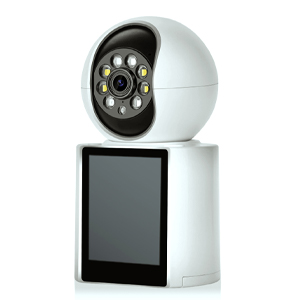
Which Security Camera Doesn't Require Wi-Fi?
In an era where most home security systems rely on Wi-Fi for connectivity and operation, there remains a significant demand for security cameras that do not require an internet connection. Whether due to concerns about network security, unreliable Wi-Fi, or simply a preference for standalone devices, many homeowners seek alternatives. This article explores the options available for those interested in security cameras that don’t require Wi-Fi, focusing on their features and benefits.
Understanding the Need for Non-Wi-Fi Security Cameras
The primary reasons homeowners might choose home security cameras that don’t require Wi-Fi include:
1. Privacy Concerns: Wi-Fi-connected cameras often store footage in the cloud, raising concerns about data security and privacy. Cameras that operate without Wi-Fi can store footage locally, reducing the risk of unauthorized access.
2. Reliability Issues: In areas with unstable or poor internet connectivity, relying on Wi-Fi cameras can lead to interruptions in surveillance. Non-Wi-Fi cameras provide a more reliable solution by functioning independently of network conditions.
3. Cost Considerations: Some homeowners may prefer not to incur ongoing costs associated with cloud storage subscriptions required by many Wi-Fi cameras. Local storage options eliminate these additional expenses.
Types of Security Cameras That Don’t Require Wi-Fi
1. Wired Security Cameras: Wired cameras connect directly to a recording device via cables, such as coaxial or Ethernet cables. These cameras do not rely on Wi-Fi for operation or recording. They offer consistent performance and high video quality, making them ideal for static, long-term installations. However, installation can be more complex and may require professional assistance.
2. Battery-Powered Cameras with Local Storage: Some battery-powered security cameras come equipped with local storage options, such as SD cards. These cameras can operate independently without requiring a Wi-Fi connection for recording. They offer flexibility in placement and are suitable for temporary or remote monitoring. However, they require regular battery maintenance and physical access for data retrieval.3. Standalone DVR/NVR Systems: Standalone DVR (Digital Video Recorder) or NVR (Network Video Recorder) systems can be used with analog or IP cameras. These systems handle video recording and storage locally, without the need for internet connectivity. They are often used in professional setups and provide extensive storage capacity and advanced features.4. Cellular Security Cameras: For those seeking a solution that combines modern features with independence from Wi-Fi, cellular security cameras offer an appealing option. One such camera is the INSEETECH 4G LTE Solar Camera with SIM card. This camera operates on cellular networks, eliminating the need for Wi-Fi. It features 2K resolution, PTZ (pan-tilt-zoom) capabilities, color night vision, AI detection, and an IP66 rating for weather resistance. Additionally, it supports major carriers like Verizon, AT&T, and T-Mobile, making it a versatile choice for various locations. (Explore the INSEETECH 4G LTE Solar Camera here.)
Key Features to Consider
When selecting a security camera that doesn’t require Wi-Fi, consider the following features:
1. Video Quality: Ensure that the camera provides adequate resolution for clear and detailed footage. Options range from standard definition (SD) to high definition (HD) and even 4K. Higher-resolution cameras capture finer details, which can be crucial for identification purposes.
2. Storage Capacity: For cameras with local storage, assess the storage capacity available, such as the size of the SD card or the capacity of the DVR/NVR system. Sufficient storage is essential for retaining video footage over an extended period.
3. Power Source: Determine how the camera will be powered. Wired cameras typically require a constant power supply, while battery-powered models offer flexibility but require periodic battery replacement.
4. Ease of Installation: Consider the complexity of the installation process. Wired cameras may require professional installation, while battery-powered models are generally easier to set up.
5. Durability and Weather Resistance: If the camera will be used in various environmental conditions, ensure it is built to withstand factors such as moisture, temperature extremes, and dust.
Advantages of Non-Wi-Fi Security Cameras
Security cameras that don’t require Wi-Fi offer several advantages:
1. Increased Privacy: By storing footage locally, these cameras reduce the risk of data breaches associated with cloud storage.
2. Reliability: Non-Wi-Fi cameras are less susceptible to network disruptions, ensuring continuous operation.
3. Cost Savings: Eliminating cloud storage fees and avoiding subscription costs can result in significant long-term savings.
4. Flexibility: Battery-powered and cellular cameras provide flexible installation options, accommodating various security needs and environments.
Are non-Wi-Fi security cameras the right choice?
For homeowners seeking a robust, reliable, and privacy-focused security solution, security cameras that don’t require Wi-Fi offer compelling benefits. Whether through wired connections, local storage, or cellular technology, these cameras provide effective surveillance without relying on an internet connection.